

How To: Show Up
In more recent years, the idea that I could make a difference kept me showing up.

I’m theoretically in arrears for posting on Substack. Sometimes I’m at a loss about what to write. This week is one of those weeks. How can I write about anything that doesn’t tie into what’s going on in Minneapolis?
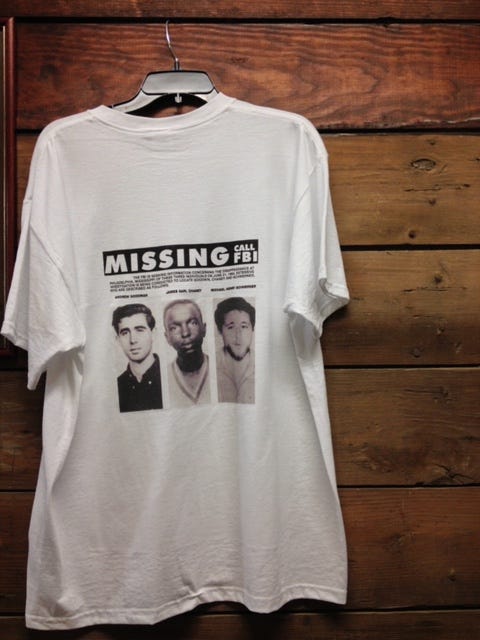
I was lucky because I came of age in the late sixties and early seventies, and back then, people took action and what they did seemed to make a difference. The 1960s saw the initiation of political dissent in the United States resulting in the loss of innocence of the mainstream: the violent response to the civil rights activists were brought to national awareness probably for the first time because of the commonality of television in American homes. White middle class viewers witnessed a new reality--as they watched children being hosed down and attacked by dogs on the streets of Birmingham, and saw the shadows of the bodies of the three young men who were murdered in Mississippi, having gone down there to register blacks to vote. In the late sixties, when middle class white students protested the Vietnam War and those protests extended to encompass wrongdoings at home, again, the reaction of the legal authorities was violent, resulting in deaths that shocked the nation. For many white Americans it was one thing for members of the Black Panthers to be killed in their beds, but quite another for protesting students to be gunned down on their college campuses.
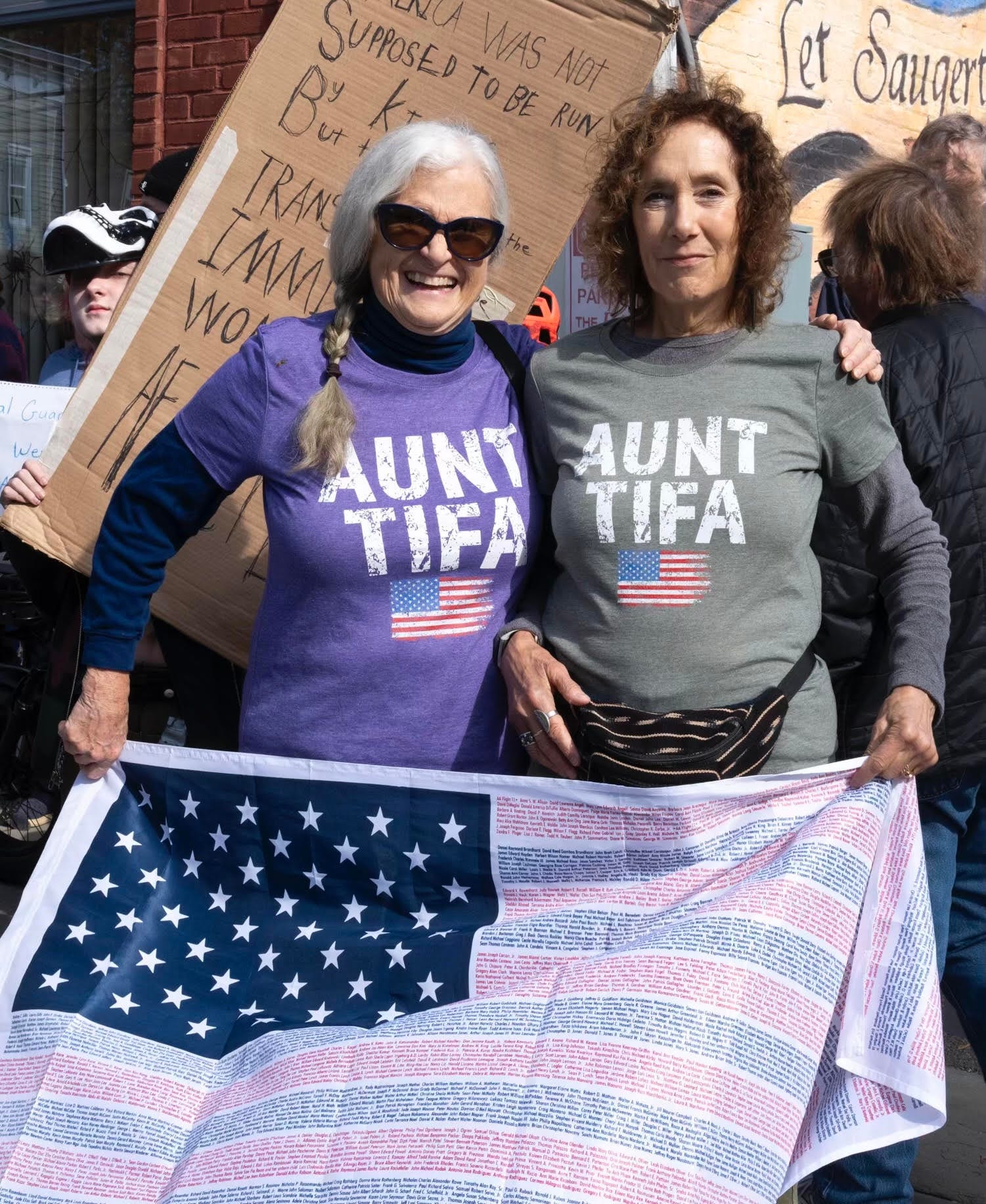
With it all, I felt like I had a voice. While I was too young to participate in Freedom Summer, I wasn’t too young to be an activist in Berkeley politics, women’s marches, or in demonstrating against the Viet Nam War. And in more recent years, the idea that I could make a difference kept me showing up, whether for climate change, school shootings and gun control, and most recently the protests against all things related to ICE and the demolition of our democracy.
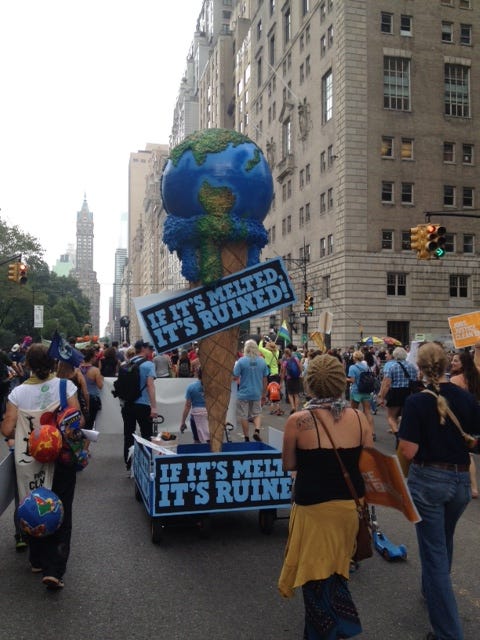
But truth be told, I don’t have the optimism that I once did. Robert B. Hubbell exhorts us to keep showing up, that it makes a difference, and he and Rachel Maddow post the pictures of people across America holding signs, I don’t know anymore. I chide myself for not doing more but then I’m not sure what the “more” is.
In a Substack post dated Jan. 24, 2026, Leona Waller suggests that if every American did three of five things she lists, ICE “would be stopped in its tracks.”
These things in summary are:
Call your senators every day until January 30th to defund Ice
Donate to legal funds supporting immigrants and ICE detainees
Divest from companies that support ICE–Home Depot, Target, Hilton Hotels, all things Amazon including Whole Foods and AWS
Get ready for ICE to show up in your ‘hood
Do a lit drop-at stores, slip under doors, car windshields
For me the first and second items are the easiest and are done. Done. And I’m ready for ICE to show up. I’ve got the number to call. I have to think about the fifth item just because I find that kind of “intervention” annoying when I’m the recipient, so why would I want to do it? It’s the third that’s the trickiest. I boycott Amazon, but AWS is omnipresent. Even Substack utilizes some of Amazon’s web services to keep its engine running. How many of us are ready to close up Substack shop?
So making an impact gets more difficult because we, because I, have become dependent on these entities. It’s one thing to take to the streets and hold up a sign, but it’s something else to disengage from an operation that has become an integral part of our everyday lives. I don’t know how much personal disruption I’m willing or ready to experience.
I returned to New York City from Berkeley in the early 1970s, and was working with criminal lawyers who arranged for the work release of a woman from Bedford Hills Correctional Facility. A member of the Weather Underground, she was serving time for the attempted firebombing of a bank located in an affluent neighborhood of the city. We became besties—I was flattered by her friendship because she was committed in a way I hadn’t been, even if I didn’t know whether firebombing was the answer.
In her memoir Radical Descent (2014) Linda Coleman wrote about her experience joining a radical Weather Underground-style guerilla cell during the 1970s. She raises the questions I had more than forty years ago–and that I still have–about how to effect change. In the introduction she notes the ongoing relevance of the issues that drove her protest, and reaffirms her commitment to the issues that propelled her activities in the 1970s. However, now a Zen Buddhist who has taken her vows, and committed to nonviolence, Coleman remains unclear about what works to bring about social transformation.
Today, thankfully, I think, firebombing isn’t on the agenda. Then and now, I don’t know what the answer is.
Renée Nicole Good and Alex Pretti knew that they had to show up. I doubt that either of them expected to die. Why should they have?

Great post! Had me thinking all day and gave me courage to get more pointedly political in my posts. Thank you.
Well articulated concerns. Certainty on best actions let alone results still elusive for me.