

Voting Rights?
If you can’t vote, you don’t have citizenship.

In May 2014 I went to Mississippi. You could call it a pilgrimage of sorts, a commemorative journey. Fifty years had passed since Freedom Summer–young people went south to register Black people to vote–I was too young to participate. I’d met Lee, who was from Mississippi and a kid during Freedom Summer, in graduate school, and she “gave” me this trip. Both of us felt the need to “do right” for the upcoming 50th anniversary of the Mississippi Project. The Voting Rights Act (VRA) was passed in August 1965, one year after Freedom Summer. In June 2013 the Supreme Court’s decision in Shelby v. Holder struck down the heart of the act that said that nine states no longer needed federal approval to change election laws. Now, with the most recent Supreme Court ruling further eviscerating the Voting Rights Act, our trip came back to me. Revisiting notes, rough drafts, and pictures, I thought, maybe I could share some of that experience.

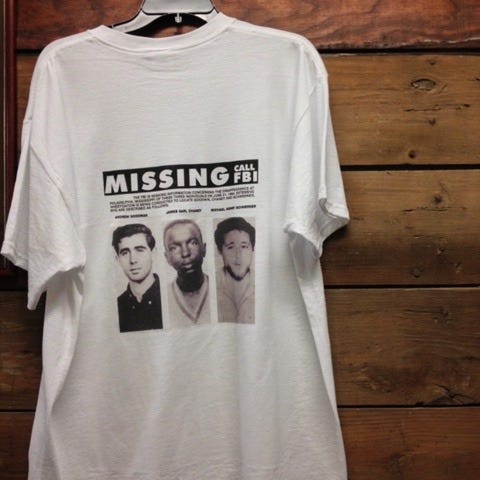
Rock Cut Road (also called 515) is the turn off from 19S, in Neshoba County, Philadelphia, Mississippi, and is easily missed, especially since the marker designating its location is frequently destroyed. The road is small and nondescript, and wouldn’t be worth noticing except that in the summer of 1964–Freedom Summer–three young men were murdered there before they got to enroll even one voter: James Chaney (a black Mississippian), Michael Schwerner (a white New Yorker), and Andrew Goodman (also a white New Yorker).
This was the endpoint of my journey that had begun in the Delta, and that had taken me along much of the Freedom Trail. Collective memory is reflected in state historic signs, in small town brochures touting civil rights driving tours, in highways and airports renamed after the slain—now remembered as heroes. Despite these indicators of psychological reparations, there isn’t consensus, as many of the markers have been vandalized, repeatedly. At the Emmett Till Historic Intrepid Center, a forlorn looking structure made of corrugated tin siding, located on the site where Till was tortured, Benjamin, the museum’s manager, told us “People don’t say nigger, but they think it.” Benjamin had gone to public schools. “In the third and fourth grades, the white kids leave—they go to the “seg” academies.”
Not long after the trip, the New York Times reported that the New York City schools are the most segregated in the country.
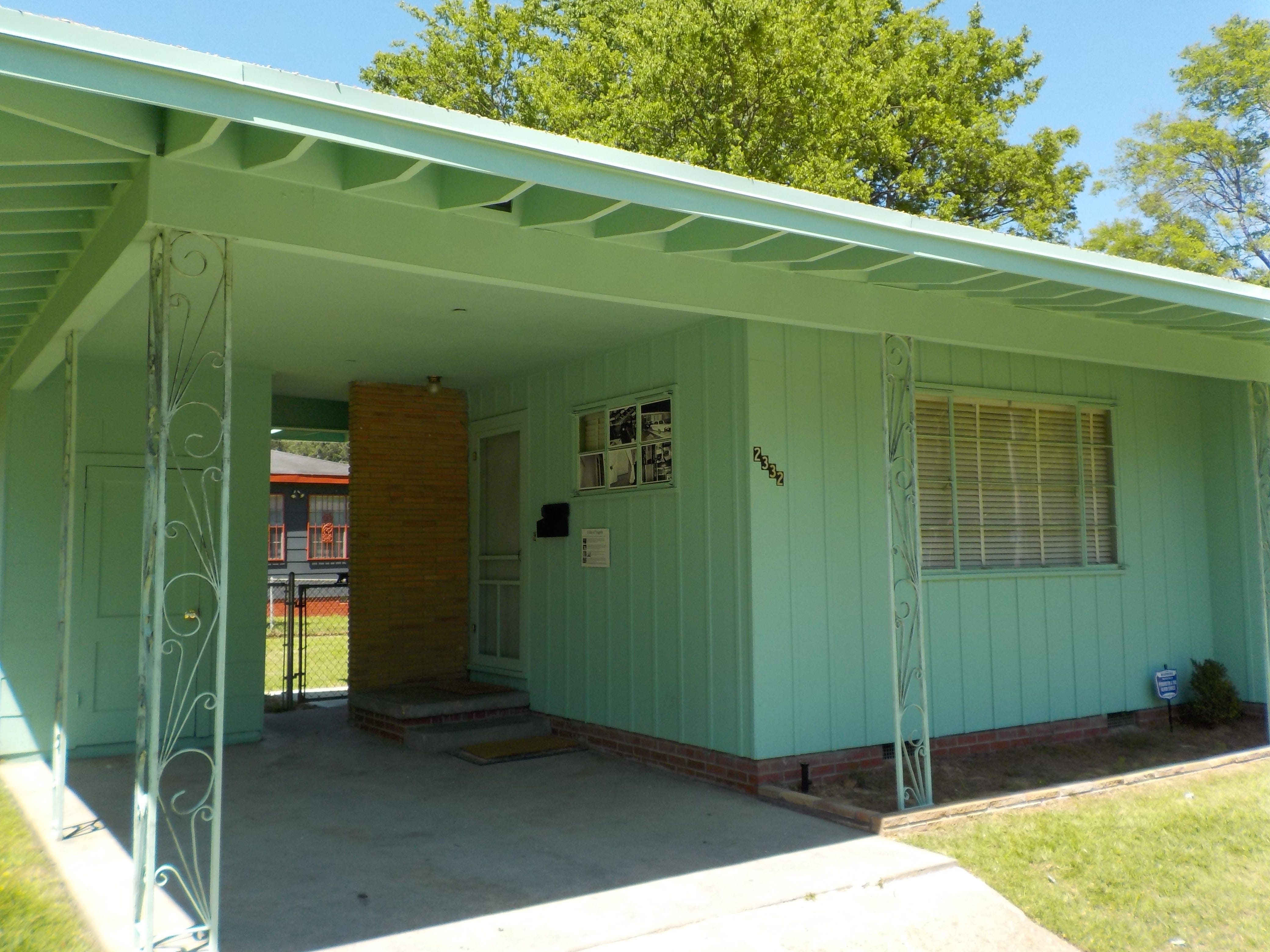
En route to Jackson, we met with people who’d known Emmett Till and who’d lived through Freedom Summer, and we stopped at museums that memorialized this history. Arriving in Jackson we visited Medgar Evers’ house–where he’d been murdered in his driveway–and Eudora Welty’s home, now an historic site. The same night that Medgar Evers was killed, she wrote a story about his murderer. She talked about the kind of hatred that could rationalize this kind of action as reasonable, the entrenched beliefs that become part of a person’s sense of self.
What I was learning along the way was how little I knew, before this trip, about the civil rights story. My “black education” had been limited to Booker T. Washington and George Washington Carver. I was eight years old when Rev. Lee, an early spokesman for civil rights, was killed, and if there was news coverage, I was too young to be aware of it. My other black history began with the names of those who died when I was old enough to watch the news and understand what was happening. My outrage intensified when I identified with Andrew Goodman, someone who lived ten blocks away from me growing up, whom I recognized, who could’ve been a brother or a boyfriend.
Being a “Northerner,” I’d viewed Mississippi—the South—as a foreign country—where the hatred was overt and legalized. I no longer had the polarized perspective of my younger self, but I didn’t know what to expect. The first morning of my pilgrimage I’d had a glimpse of how things aren’t so simple. Of course. A weird unending wail pierced my sleep. Outside the sky was the color of molten lava, and rain battering the motel window, punctuated the electronic racket. I didn’t recognize the sound. The awful noise that dragged me from sleep was a tornado siren, a twister had touched down or was somewhere close by, or was heading our way. Lee and I joined the crowd that had come together in the dining area, some still in their sleepwear; white and black families mingled, eating breakfast and talking about the weather. On the outside, at least, things were different.
* * * *
Freedom Summer lasted ten weeks. The plan was to bring a thousand Northern volunteers (mostly white) to Mississippi in the summer of 1964, to register blacks to vote. It was acknowledged that white students would garner needed attention to the plight of disenfranchised blacks. That’s what happened. A volunteer was not alone in noting: “Because two of the <murdered>boys were white, there was a world reaction. . . .”
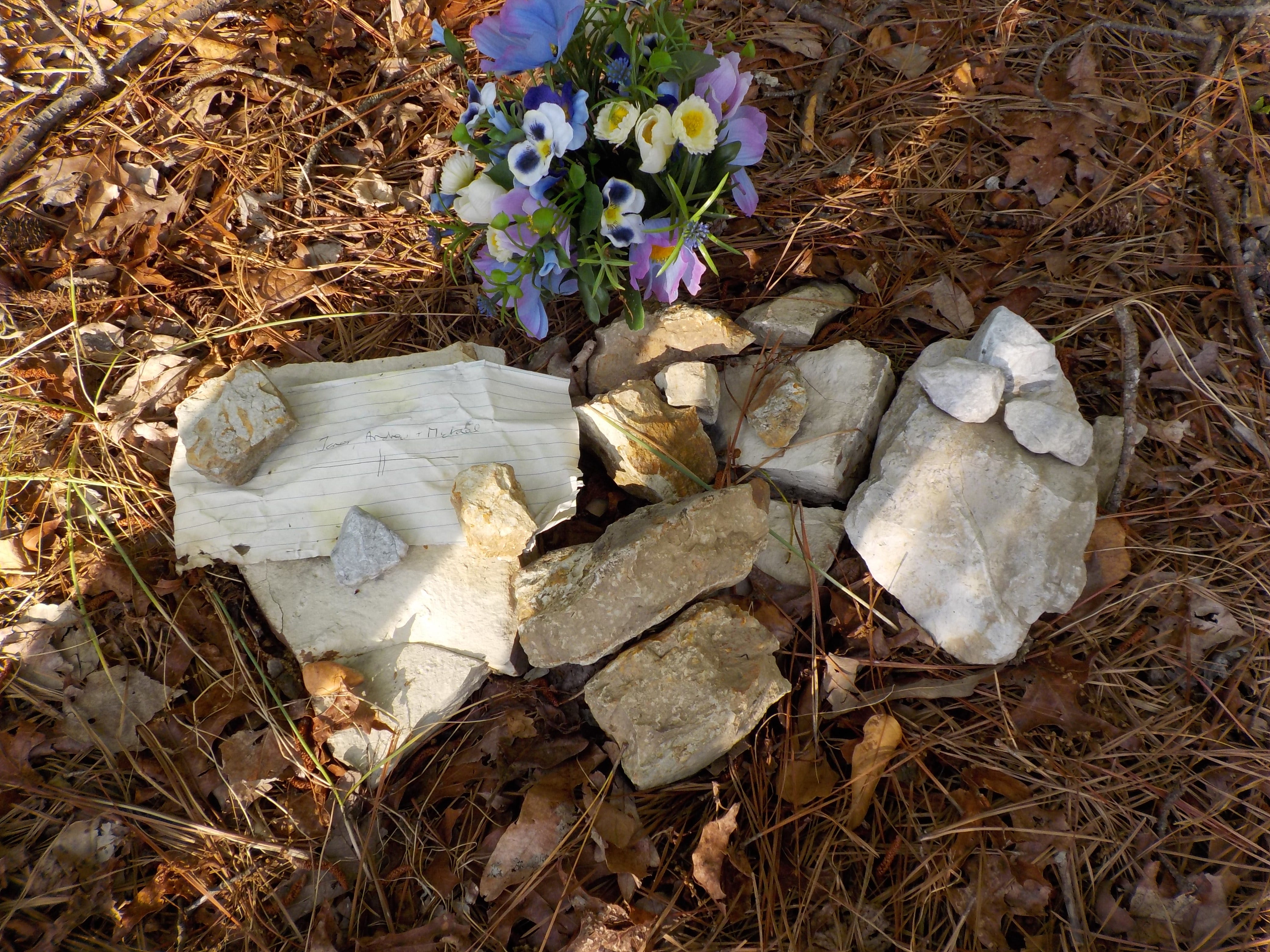
Rock Cut Road meets up with 284, and off to the left there’s a brown patch, with a small cluster of memorial stones and posies. Lee noticed a piece of paper tucked between the stones—a note left by a visitor from Montreal, Canada, still there three days later when we arrived. The blue lined sheet of paper torn from a notebook, now wrinkled, stained, and difficult to read, had survived the storms. “Dear James, Andrew and Michael, Thank you for the struggle and personal sacrifice. … I will write …least I can do, to seek to have your <memorial> marker restored… 50th anniversary of your deaths/martyrdom. … Rest in peace.” I felt watched when a pick-up truck drove by, slowed, and then parked by the house across the road, before driving away, not sure of how these memories are regarded by the “locals.” Ray Killen, responsible for organizing and directing their murders and convicted forty-one years later of manslaughter, lived on that road. Even with its history, here as at other places I visited, the landscape still felt innocent. What’s it like for the people who live here, neighboring murder sites?
After I returned to New York I had a conversation with Stanley Dearman, who was the editor and publisher of the Neshoba Democrat for thirty-four years, about changing hearts. “You have to change the emotions,” he said. “You can’t do it intellectually—you can’t argue people into a different belief system.” Dearman didn’t flinch from reporting the KKK’s involvement in the murders, and of their continued presence. He organized a twenty-fifth anniversary observance, and over the years has brought hundreds of people to the murder site.
I asked him about the recent changes to the VRA–that was in 2013. “It’s bad. We’re going back to the old days. . . . If you can’t vote, you don’t have citizenship.” I can imagine what he’d say today.

Riveting Nancy. Horribly compelling, as is completely appropriate, required.
The nightmare we are living now is like the tornado siren, screeching violently into our ears trying to warn us, help us stay alive. But here effective urgent action is not taking shelter. Please everyone, advice on best actions now 🙏
I remember. I bow my head.